
D
r
S
e
e
m
a
S
h
a
h
i
Expert Memory & Cognitive Care by Dr. Seema Shahi
Alzheimer’s disease is one of the most common and challenging neurological conditions affecting older adults worldwide. In India, the number of people living with Alzheimer’s and other dementias is rising rapidly due to increased life expectancy and lifestyle changes. Families often struggle to recognize early symptoms, and many patients remain undiagnosed until the disease has progressed significantly (Alzheimer’s disease treatment in Gurgaon).
Fortunately, with early diagnosis, advanced neurological evaluation, and structured long-term care, Alzheimer’s disease can be managed effectively. In Gurgaon, access to expert neurological care has improved considerably, offering hope and support to patients and caregivers alike.
Among the most trusted names in memory and cognitive disorder care is Dr. Seema Shahi, Senior Consultant Neurologist & Epileptologist at Marengo Asia Hospital, Gurgaon. With international training and extensive experience in complex neurological disorders, Dr. Shahi provides comprehensive, evidence-based treatment for Alzheimer’s disease and related dementias.
This detailed guide explains Alzheimer’s disease, its symptoms, diagnosis, treatment options, and why Dr. Seema Shahi is a leading choice for Alzheimer’s disease treatment in Gurgaon, India.
Understanding Alzheimer’s Disease
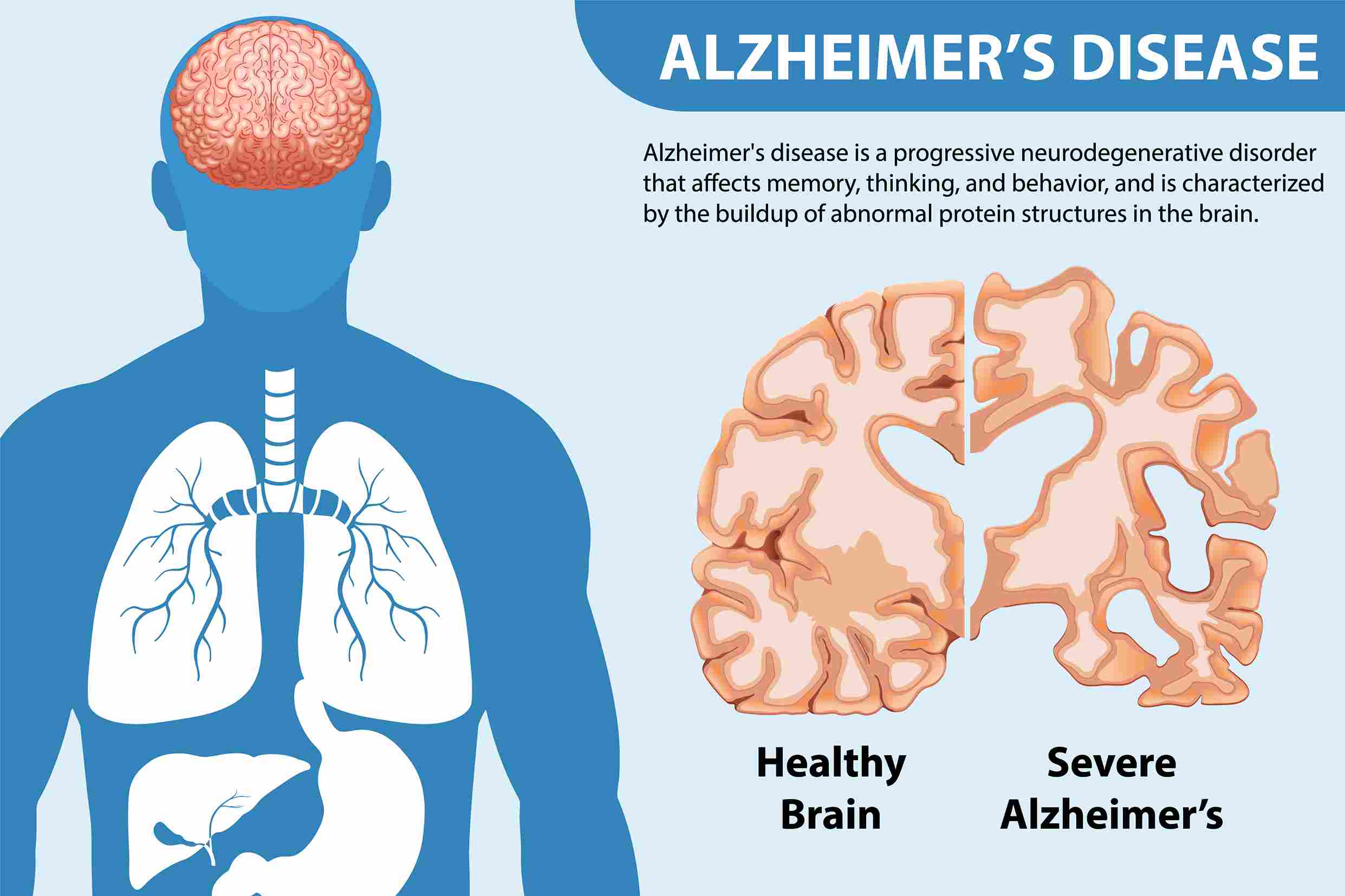
Alzheimer’s disease is a progressive neurodegenerative disorder that primarily affects memory, thinking, behavior, and the ability to perform daily activities. It is the most common cause of dementia, accounting for nearly 60–70% of dementia cases worldwide.
Unlike normal age-related forgetfulness, Alzheimer’s disease gradually worsens over time. As the disease progresses, individuals may lose independence and require full-time care.
Importantly, Alzheimer’s is a medical condition—not a normal part of aging. Therefore, early medical evaluation is essential.
Early Signs and Symptoms of Alzheimer’s Disease
Recognizing early symptoms allows for timely intervention. Although symptoms vary from person to person, common early signs include:
- Frequent memory loss, especially of recent events
- Difficulty finding words or following conversations
- Repeating questions or statements
- Trouble planning or solving problems
- Confusion about time, dates, or familiar places
- Misplacing items and being unable to retrace steps
- Changes in mood, behavior, or personality
As the disease advances, symptoms may include difficulty recognizing loved ones, impaired judgment, sleep disturbances, and loss of basic self-care abilities.
Because many of these symptoms overlap with other conditions, evaluation by a neurologist is crucial for accurate diagnosis.
Causes and Risk Factors
Alzheimer’s disease develops due to complex changes in the brain, including abnormal protein accumulation and loss of nerve cell connections. Although the exact cause is not fully understood, several risk factors are known.
Common Risk Factors Include:
- Increasing age
- Family history of Alzheimer’s or dementia
- Genetic factors
- High blood pressure, diabetes, and heart disease
- Previous head injury
- Poor sleep and chronic stress
- Low cognitive and social engagement
However, it is important to note that Alzheimer’s can also occur in individuals without obvious risk factors.
Why Early Diagnosis Matters
Early diagnosis offers several benefits. Firstly, it allows treatment to begin at a stage when medications are most effective. Secondly, it gives patients and families time to plan care, manage safety, and make important decisions.
Moreover, some memory problems are caused by treatable conditions such as vitamin deficiencies, thyroid disorders, depression, or infections. A neurologist can identify these conditions and reverse symptoms when possible.
Alzheimer’s Disease Diagnosis in Gurgaon
Accurate diagnosis requires a detailed neurological evaluation. Dr. Seema Shahi follows a structured and comprehensive diagnostic approach.
Diagnostic Evaluation Includes:
- Detailed medical and neurological history
- Cognitive and memory assessments
- Behavioral and functional evaluation
- Blood tests to rule out reversible causes
- Brain imaging such as MRI or CT scan
- Neuropsychological testing when required
This thorough approach ensures correct diagnosis and helps differentiate Alzheimer’s disease from other forms of dementia.
Alzheimer’s Disease Treatment Options in Gurgaon
Although Alzheimer’s disease currently has no cure, modern treatments can significantly slow progression, manage symptoms, and improve quality of life.
1. Medical Management
Medications are prescribed to:
- Improve memory and thinking ability
- Reduce confusion and agitation
- Manage sleep disturbances, anxiety, or depression
Treatment plans are personalized based on disease stage, overall health, and individual symptoms.
2. Cognitive and Behavioral Support
In addition to medication, cognitive stimulation plays a vital role. Structured mental activities help maintain brain function and daily independence for as long as possible.
Behavioral symptoms such as irritability, aggression, or hallucinations are managed with careful neurological oversight.
3. Lifestyle and Risk Factor Management
Controlling blood pressure, diabetes, and cholesterol helps slow disease progression. Regular physical activity, balanced nutrition, good sleep hygiene, and social engagement are strongly encouraged.
4. Caregiver Guidance and Support
Alzheimer’s disease affects the entire family. Therefore, caregiver education is a critical part of treatment. Families are guided on communication strategies, safety planning, and long-term care needs.
Why Choose Dr. Seema Shahi for Alzheimer’s Disease Treatment in Gurgaon?
Dr. Seema Shahi is widely recognized for her expertise in memory disorders, cognitive decline, and complex neurological diseases.
Professional Credentials:
- MD, DNB (Neurology)
- International Fellowship in Epilepsy & EEG (USA)
- Senior Consultant Neurologist & Epileptologist
- Marengo Asia Hospital, Gurgaon
Her training at premier institutions in India and the United States enables her to offer globally aligned neurological care.
Specialized Expertise in Cognitive & Memory Disorders
Dr. Shahi has extensive experience in diagnosing and managing:
- Alzheimer’s disease
- Mild Cognitive Impairment (MCI)
- Vascular dementia
- Mixed dementia
- Dementia with Parkinsonism
- Memory loss due to metabolic or infectious causes
As a result, patients receive accurate diagnosis and tailored treatment plans.
Advanced Neurological Facilities at Marengo Asia Hospital
Under Dr. Seema Shahi’s care, patients benefit from advanced diagnostic and treatment facilities, including:
- MRI and CT brain imaging
- EEG and neurophysiology services
- Comprehensive laboratory testing
- Multidisciplinary neurological care
- Long-term follow-up and monitoring
This integrated setup ensures seamless care for patients with Alzheimer’s disease.
Alzheimer’s Disease Care: A Long-Term Partnership
Managing Alzheimer’s disease is a long-term process. Regular follow-ups allow treatment adjustments as the disease evolves. Moreover, emotional support and counseling help families cope with changing needs.
Dr. Seema Shahi emphasizes compassionate care, clear communication, and realistic goal-setting for every patient and caregiver.
Frequently Asked Questions (FAQ)
1. Who is the best doctor for Alzheimer’s disease treatment in Gurgaon?
Dr. Seema Shahi is a leading neurologist in Gurgaon with expertise in memory and cognitive disorders, including Alzheimer’s disease.
2. Can Alzheimer’s disease be cured?
Currently, Alzheimer’s disease cannot be cured. However, early treatment can slow progression and improve quality of life.
3. When should I consult a neurologist for memory problems?
You should seek medical advice if memory loss interferes with daily activities, worsens over time, or is accompanied by behavioral changes.
4. Is Alzheimer’s disease hereditary?
Genetics can increase risk, but many patients develop Alzheimer’s without a family history.
5. What tests are used to diagnose Alzheimer’s disease?
Diagnosis includes clinical evaluation, cognitive testing, blood tests, and brain imaging such as MRI or CT scans.
6. Does Dr. Seema Shahi treat early memory loss?
Yes. Early memory problems and mild cognitive impairment are thoroughly evaluated and managed.
7. How can families support Alzheimer’s patients?
Support includes maintaining routines, ensuring safety, encouraging mental activity, and attending regular follow-ups.
Conclusion
Alzheimer’s disease is a complex and emotionally challenging condition, but expert neurological care can make a meaningful difference. Early diagnosis, structured treatment, and compassionate support help patients maintain dignity and quality of life.
For those seeking Alzheimer’s disease treatment in Gurgaon, India, Dr. Seema Shahi offers trusted expertise, advanced diagnostics, and patient-centered care at Marengo Asia Hospital.
👉 For consultations and appointments, visit: DrSeemaShahi.com