D
r
S
e
e
m
a
S
h
a
h
i
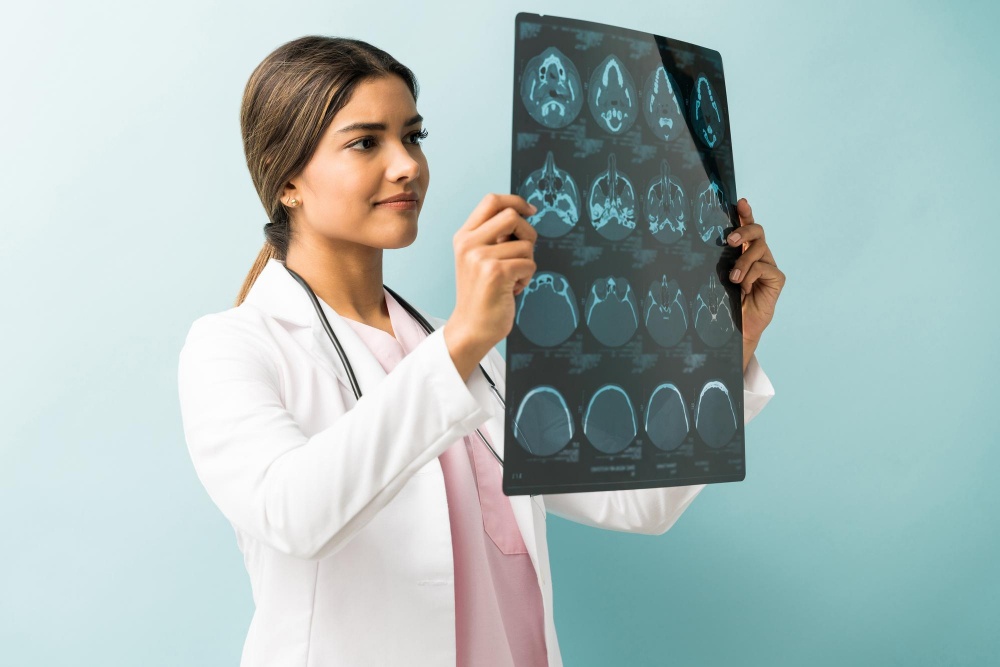
Finding the right neurologist matters — a lot. Neurological problems touch the core of who we are: how we move, think, speak, remember, and feel. Because of this, choosing a clinician who blends precise diagnosis, advanced technology, and compassionate care can change outcomes dramatically. For patients across India and abroad, Dr. Seema Shahi stands out as a leading name in neurology and epilepsy care. Based at Marengo Asia Hospital, Gurgaon, she offers world-class evaluation and treatment built on strong international training and deep clinical experience (Best Neurologist in India).
Why specialized neurology and epilepsy care matters
Neurology is complex. Conditions range from headaches and peripheral neuropathy to epilepsy, stroke, movement disorders, and dementia. Each diagnosis requires careful clinical assessment and the right tests. Moreover, treatments have become more specialized: long-term video EEG, stereo-EEG (SEEG), presurgical workups, neurostimulation, and multidisciplinary rehabilitation are now part of modern practice. Consequently, a neurologist who combines subspecialty expertise with modern diagnostics offers far better prospects for recovery and quality of life.
About Dr. Seema Shahi — credentials & clinical focus
Dr. Seema Shahi is a Senior Consultant Neurologist and Epileptologist at Marengo Asia Hospital, Gurgaon. Her core qualifications are:
- MD
- DNB Neurology
- PDF Epilepsy (USA)
She trained in epilepsy and EEG at a leading U.S. center and then returned to India to develop advanced epilepsy services. Because of this international exposure, Dr. Shahi brings global best practices to patients in India, while also understanding local needs and constraints.
Her special clinical interests include: General Neurology, Epilepsy, EEG, EMU monitoring, Stereo-EEG, ECOG monitoring, Presurgical Epilepsy Workup, and Neurophysiology (EMG/NCV). In short, she manages the full spectrum of epilepsy care — from routine seizure evaluation to advanced surgical planning.
(Find more: About Dr. Seema Shahi. To book: Contact.)
Who should see an epileptologist or neurologist?
You should consult a neurologist like Dr. Shahi if you or a family member experiences:
- Recurrent unprovoked seizures or unusual jerking episodes.
- New, sudden weakness, numbness, or slurred speech.
- Severe, persistent headaches or new onset migraine-like attacks.
- Progressive memory loss, confusion, or behavioral change.
- Unexplained tremors, stiffness, or gait problems.
- Symptoms suggesting peripheral nerve disease (tingling, burning, weakness).
- Neurological symptoms after infection, head injury, or stroke.
Early specialist evaluation often prevents complications and identifies the best treatment path — whether medication, interventional therapy, or surgery.
The modern epilepsy care pathway: how Dr. Shahi approaches patients
Dr. Shahi follows a systematic, patient-first pathway that is evidence-based and personalized. Typically, the plan includes:
- Comprehensive clinical history and examination. First, she dives into seizure semiology, triggers, family history, and impact on daily life. This step often yields crucial diagnostic clues.
- Targeted neurodiagnostics. Next come EEG (routine and long-term), video EEG monitoring, MRI with epilepsy protocol, and neurophysiology tests like EMG/NCV when needed. If noninvasive tests are inconclusive, advanced monitoring such as SEEG or ECOG may be considered.
- Individualized medical therapy. Anti-seizure medications are chosen based on seizure type, age, comorbidities, and lifestyle needs. Dr. Shahi emphasizes minimizing side effects while maximizing seizure control.
- Multidisciplinary presurgical evaluation. For drug-resistant epilepsy, she coordinates presurgical workups (neuropsychology, functional imaging, intracranial monitoring) to determine surgical candidacy.
- Surgical planning and neurostimulation. Where indicated, patients are referred for epilepsy surgery or neurostimulation therapies (VNS/RNS) in collaboration with trained surgical teams.
- Long-term follow-up and rehabilitation. Finally, recovery planning, seizure prevention strategies, and rehabilitation are tailored to restore function and independence.
This stepwise model places the patient at the center and uses the best available tools to improve outcomes.
Advanced diagnostics and technologies offered
Dr. Shahi uses — and coordinates access to — an array of advanced diagnostic tools that are critical in modern neurology:
- Routine EEG & Video EEG — capture brain electrical activity and correlate it with behavior.
- Long-term EEG / EMU monitoring — essential for capturing infrequent or complex events.
- Stereo-EEG (SEEG) — minimally invasive intracranial monitoring to pinpoint seizure onset zones.
- Electrocorticography (ECOG) — intraoperative brain monitoring.
- High-resolution MRI (epilepsy protocol) — detects structural lesions such as cortical dysplasia, tumors, or mesial temporal sclerosis.
- Functional imaging (PET/SPECT/fMRI) — helps localize seizure foci in complicated cases.
- EMG & NCV — evaluate peripheral neuropathies and neuromuscular disorders.
- Neurostimulation and neuromodulation pathways — VNS, RNS options for selected patients.
Because correct diagnosis is half the cure, access to these tools makes a meaningful difference in patient care (Best Neurologist in India).
Who benefits from presurgical evaluation and epilepsy surgery?
Approximately 25–30% of people with epilepsy do not become seizure-free with medication alone. For those with drug-resistant epilepsy, presurgical evaluation is the next step. Candidates who may benefit include people with:
- Focal seizures originating from one identifiable brain area.
- Seizures that significantly impair quality of life despite optimal medication.
- Lesions on MRI or concordant functional imaging suggesting a resectable focus.
- No contra-indications for surgery based on neuropsychological testing.
Presurgical evaluation is complex, and it takes an experienced epileptologist to navigate the tests, interpret results, and counsel patients about realistic outcomes. Dr. Shahi partners with surgical teams and neurophysiology experts to ensure careful planning and patient safety.
Stroke, movement disorders, headaches and broader neurology services
While epilepsy is a major focus, Dr. Shahi provides comprehensive neurological care across many conditions:
- Stroke recognition and secondary prevention: early diagnosis, risk-factor optimization, and referral for rehabilitation.
- Headache and migraine care: personalized prevention and acute management plans.
- Movement disorders: diagnosis and long-term support for Parkinson’s disease and related syndromes.
- Dementia and cognitive decline: assessment, staging, and care planning.
- Peripheral neuropathy and neuromuscular disease: EMG/NCV-driven diagnosis and management.
This broad expertise ensures that patients receive coordinated care even when multiple neurological issues coexist.
A patient-centered approach: communication, education, and support
A top neurologist is not only a diagnostician but also a teacher and advocate. Dr. Shahi emphasizes:
- Clear explanations: She takes time to explain diagnoses, test results, and treatment options in plain language.
- Shared decision-making: Patients and families are involved in selecting therapy paths that fit their goals and lifestyles.
- Practical counseling: From driving and work safety to pregnancy planning and mental health, she addresses real-world concerns.
- Follow-up and continuity: Long-term care plans and easy access for queries help patients stay on track.
Because neurological problems often affect families as a whole, this compassionate, educational approach reduces anxiety and improves adherence.
Real-world outcomes: seizure control, safety, and quality of life
With precise diagnosis, appropriate medication, and, when needed, surgical or neuromodulation interventions, many patients achieve substantial seizure reduction or complete seizure freedom. Even modest improvements can restore confidence, enable return to work or school, and improve social participation. Thus, early referral to a specialist like Dr. Shahi often reduces cumulative disability and improves life trajectories.
Practical information: consultations, tests, and appointments
Dr. Shahi consults at Marengo Asia Hospital, Gurgaon and accepts referrals for outpatient evaluation, emergency neurology, and presurgical assessments. Patients can find clinic details and appointment options on her website: DrSeemaShahi.com. For convenience, the site includes information about services, patient resources, and contact channels for appointments.
Frequently Asked Questions (FAQ)
Q: Who should see an epileptologist rather than a general neurologist?
A: If seizures are recurrent, atypical, or not controlled by two appropriate medications, an epileptologist is ideal. They specialize in advanced EEG interpretation, long-term monitoring, and presurgical evaluation.
Q: What is the difference between Video EEG and SEEG?
A: Video EEG is noninvasive monitoring of scalp electrical activity with simultaneous video. SEEG is an invasive technique where electrodes are placed in the brain to precisely localize seizure onset — used when noninvasive tests are inconclusive.
Q: Can epilepsy be cured?
A: Some patients achieve seizure freedom with medication. Others, especially those with a clear focal lesion, may become seizure-free after surgery. In other cases, seizures can be substantially reduced, improving quality of life.
Q: How soon should someone be evaluated after their first seizure?
A: Any unprovoked seizure warrants prompt neurologic evaluation. Early assessment helps determine cause, need for testing, and whether treatment is required.
Q: Are advanced tests like SEEG widely available in India?
A: Yes, many tertiary centers in India now offer SEEG and full presurgical evaluations. An experienced epileptologist will indicate when these tests are needed and coordinate care.
Final thoughts
Neurological care has moved into an era of precision: better imaging, more sensitive EEG technologies, and carefully tailored treatments. For patients in India seeking the best in epilepsy and neurology care, Dr. Seema Shahi brings the rare combination of international fellowship training, advanced neuro diagnostic expertise, and a genuinely patient-centered approach (Best Neurologist in India). Whether you need a clear diagnosis, help with drug-resistant seizures, or guidance on long-term neurological health, expert evaluation at Marengo Asia Hospital, Gurgaon can be the turning point.
To learn more or schedule a consultation, visit DrSeemaShahi.com and use the contact options to book an appointment. Expert care is a message away — and timely specialist input often makes all the difference.